Pantheon-Upload Intelligence
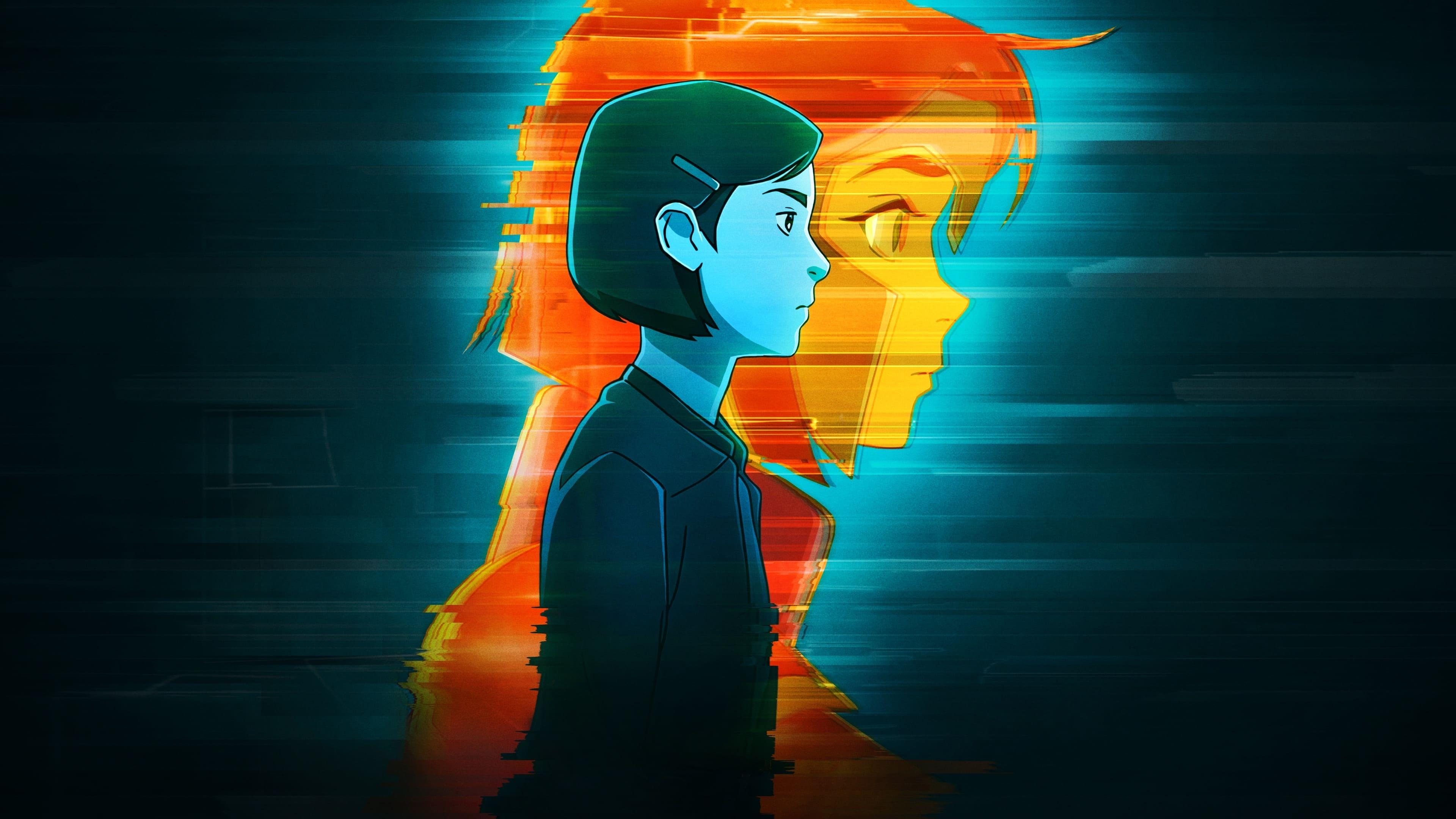
Recently, with some free time on my hands, I binged an AMC drama called Pantheon. Maybe dealing with mundane chores for too long made me lose interest in gazing at the stars, but this show instantly pulled me back in. It also introduced me to a new concept: UI (Upload Intelligence).
The idea of Upload Intelligence is to completely digitize the data of a physical human brain, converting it into a “cloud” existence that can be copied and pasted—essentially the fundamental step toward human immortality. This concept has existed since the birth of computers, and countless books and films have explored it. The 1990s classic Ghost in the Shell is the pioneer and cornerstone of the field; concepts such as “brain-computer interfaces” and “cybernetic bodies” all originate there. Later works like The Matrix also borrowed from it. These visionary pioneers dreamed wild dreams, and today, those dreams feel achievable. Yet, as Elon Musk warns: Artificial intelligence is extremely dangerous.
Yuval Noah Harari, the author of Sapiens, proposed that humanity is currently undergoing a transformation from Homo sapiens to Homo deus. Why such a claim? It’s simple: the capabilities of every individual in today’s society far surpass those of any person in the past. That doesn’t mean twenty-first-century people grew wings or extra brains compared to ancestors. Rather, it’s that modern individuals, equipped with contemporary devices, appear godlike to those ancient minds. With aircraft they can fly, with tunneling machines they can burrow underground, with ships they can explore the seas. Satellites act as clairvoyant eyes, and countless mobile terminals become auditory extensions. Back in the day, Sun Wukong could somersault 108,000 li in one bound; today’s fastest man-made craft, the TR-3B antigravity vehicle, supposedly reaches an astonishing Mach 9—about 11,016 kilometers per hour. There is still a gap, but reaching the monkey’s mythic speed is probably just a matter of time.
An interesting thought: implant a chip inside a human body, and you can control every smart device at home. Lose an arm—replace it. Lose a leg—replace that too. Lose your head—just swap it out… Eventually it becomes a philosophical question. Who are you? Where are you? What is life? What is death? Whether it’s Major Motoko Kusanagi in Ghost in the Shell or the father of the protagonist in Pantheon, they all wrestle with this question. What are they? Are they alive or dead? If you say they are alive, their original physical selves are gone. If you say they are dead, they can still return with another shell. In that state, they are, in a sense, gods.
Even if some people don’t want to admit it, we still must face a coming reality: humankind will break through the boundary between life and death and achieve immortality. But that might be the beginning of human extinction. From the grand sweep of human history’s perspective, the destiny of death keeps even the most unjust systems equal when facing life and death. But what will happen when people one day discover that death can be avoided and destiny no longer exists? What kind of scene will that be?
In closing, humanity’s true greatness lies in using our intellect to invent tools and then leveraging those tools to reach our goals.